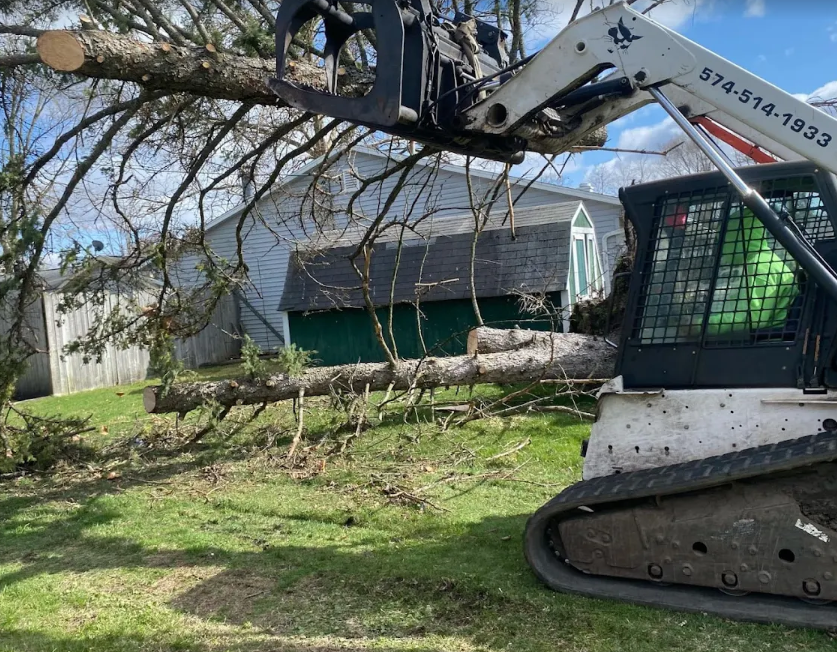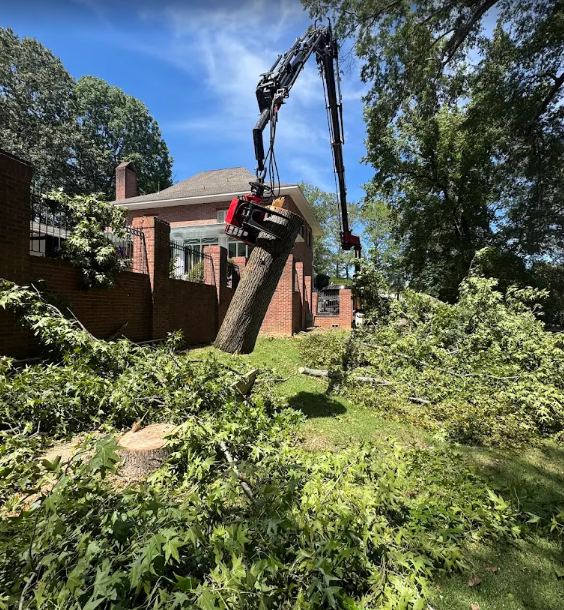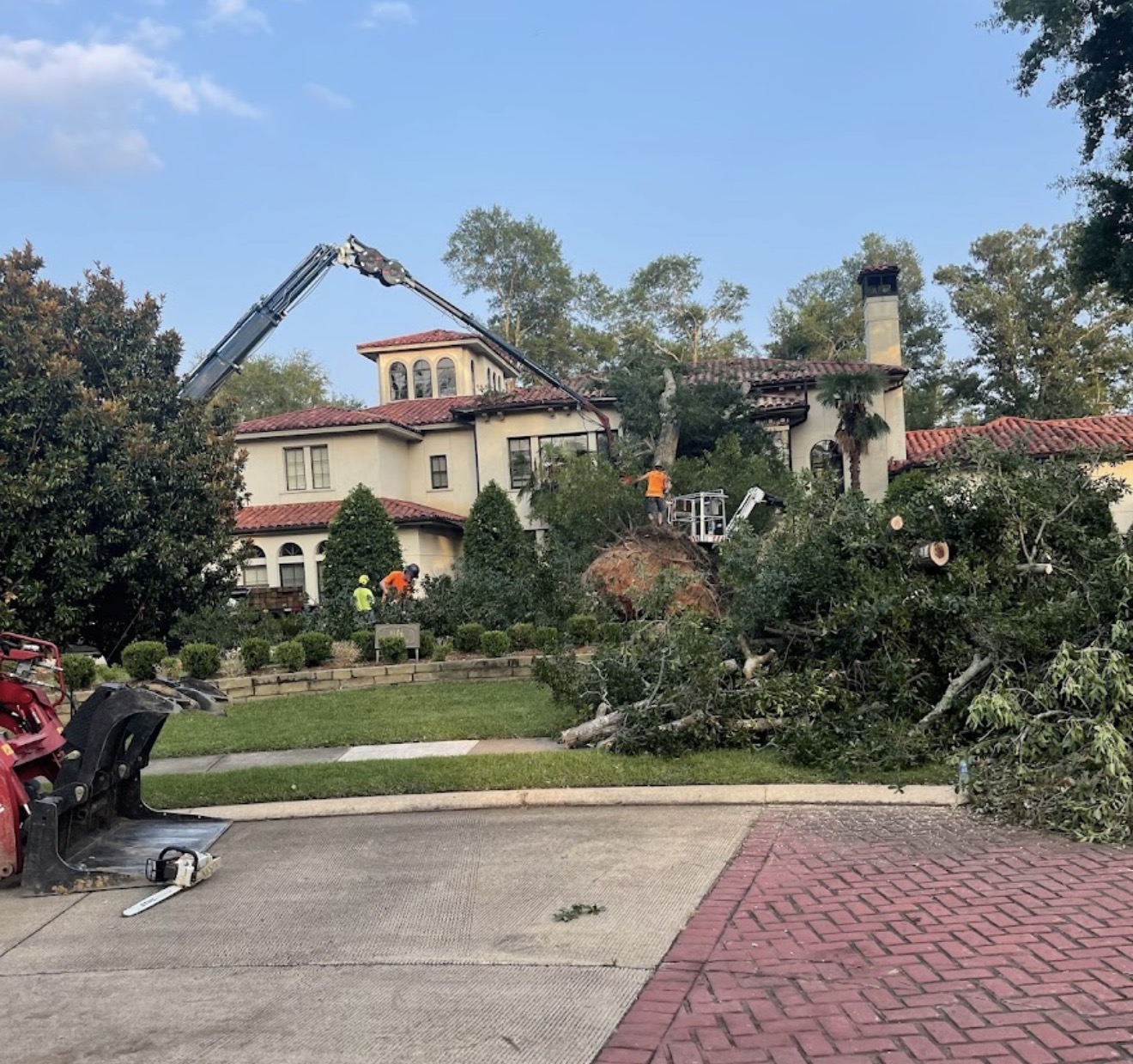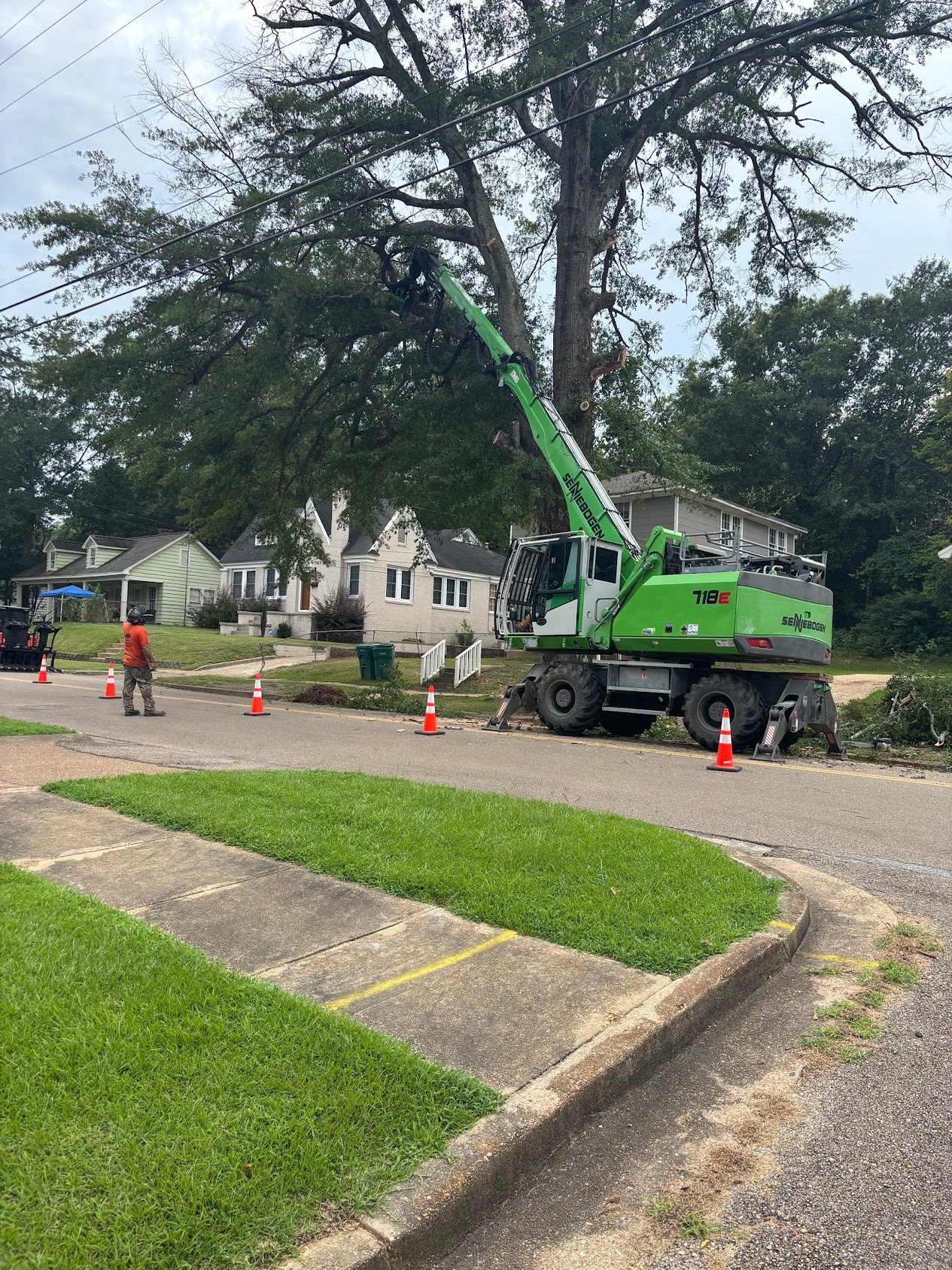
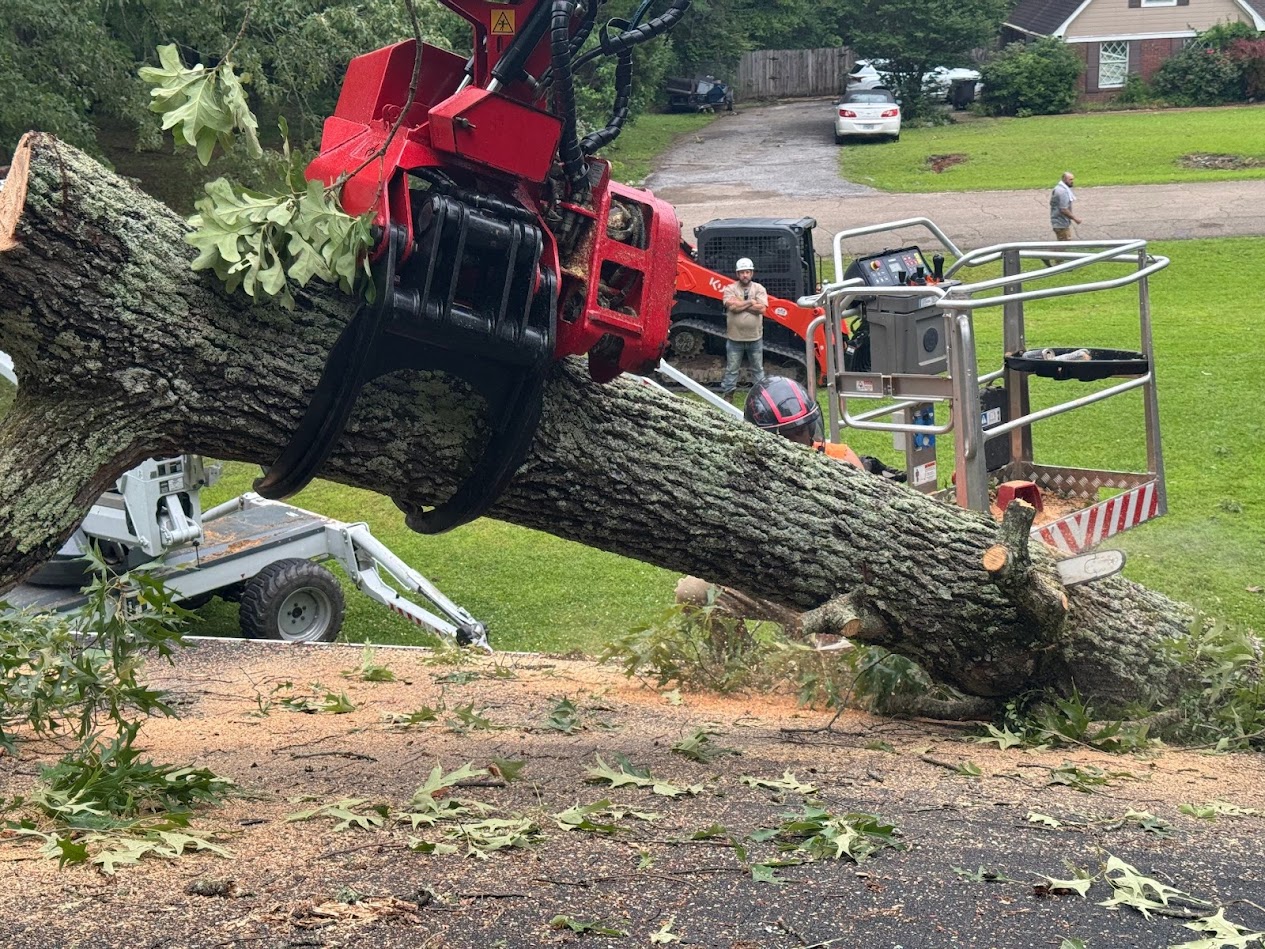
Most Mississippi homeowner policies cover removing a tree that has struck a covered structure and repairing the damage, subject to your deductible and a removal sublimit. A healthy tree that falls in the yard and hits nothing is generally not covered.
The rule most carriers follow
Coverage usually turns on whether the tree hit something insured. A pine through the roof, the garage, a covered porch or a fence is normally a covered loss. The same pine lying across open lawn is normally your expense, because there is no damage to a covered structure.
Many policies also carry a debris removal sublimit, often a few hundred to a thousand dollars per tree or per occurrence. That number is separate from the repair payment, and it is the line people are most surprised by.
Neglect is the common denial
If the tree was visibly dead or decayed long before the storm, an adjuster can argue the loss was preventable. That is why a photo record of your trees before storm season, and a receipt for pruning or hazard removal, is worth more than most homeowners realize.
Document it the way an adjuster reads it
Photograph the tree before anything is moved, including the point of impact and the root plate. Keep the emergency mitigation invoice separate from the full removal and cleanup invoice, since carriers treat those differently. Do not throw away the section of trunk that shows decay or a clean green break.
Every emergency job we run in Columbus is photographed before, during and after, with an itemized invoice built for that claim.
What to do first
Get people away from the structure, stay clear of any downed conductor and report it to the utility, then open the claim and call for mitigation. Tarping and stabilizing to prevent further damage is normally expected of you and is normally reimbursable.
Related questions
Need eyes on a specific tree? Request a free written estimate or read about tree removal in Columbus.